‘Are you sure she’s dead?’ Josephine’s voice is unsteady.
Marion, too, has turned pale and stares with horror at their sister who has just emerged from the living room.
‘Of course I’m sure. I’m a bloody doctor, for God’s sake.’ Vivien pulls the door closed behind her, and the iron latch falls into place with a clunk. She sinks down in one of the dining chairs, eyes closed. Her two sisters, always in awe of their senior sibling, wait in stunned silence. Vivien’s eyes open and she peers over her wire-rimmed glasses at the other women. ‘Judging by the facial distortion, I’d say she had a massive stroke which triggered a cardiac arrest.’ She polishes her glasses on the corner of her cardigan. ‘Poor old girl never made it to bed last night, as far as I can tell.’
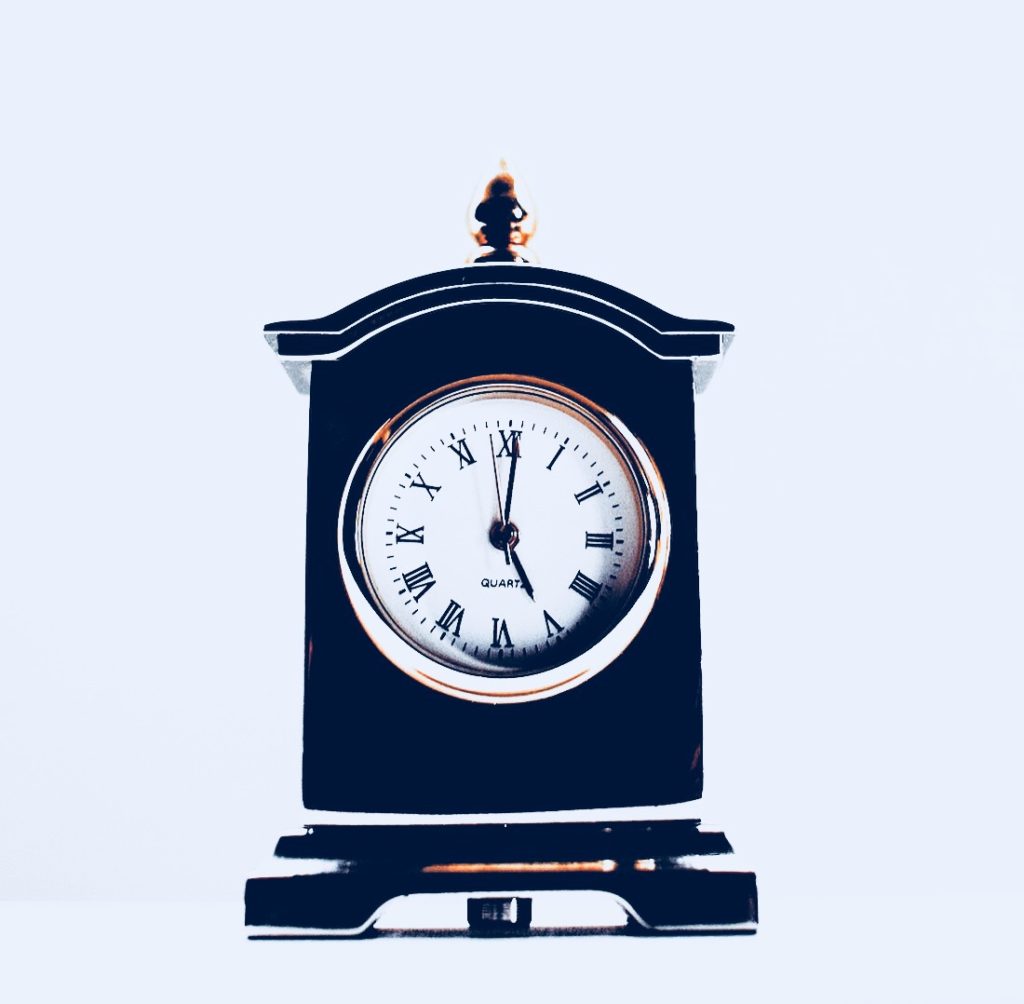
For what seems like a long time, the cottage kitchen is silent, save for the ticking of the incongruously ornate ormolu clock on the mantlepiece, and the distant clucking of hens. The morning sun filters through the checked curtains, illuminating the pile of cardboard boxes and roll of bubble wrap the sisters placed inside the door only twenty minutes ago.
A sob escapes Josephine, who tears a piece of kitchen roll from the holder next to the sink and blows her nose. ‘Poor Aunt Marjorie! Just as she was going to start a new chapter.’
‘You could argue she’s done exactly that.’ Marion has always lacked the finer sensibilities of her younger sister. ‘It looks like we wasted our time coming over here to help her move.’
The other two, despite being used to Marion’s directness, raise their eyebrows.
Vivien breaks the silence. ‘We should tell the home she’s not coming. They’ll be expecting her by lunchtime.’ Her brow creases as the reality of the situation hits her. ‘Do either of you know what the protocol is in France, in the event of a sudden death? Should we call the police?’ She glances at her sister. ‘Marion, what the hell are you doing?’

Marion has taken the ormolu clock down from the mantelpiece and has started to wrap a sheet of bubble wrap around it. She doesn’t answer immediately, as she bites through a length of Sellotape. Once she has secured the wrapping, she replies. ‘Aunt Marjorie always promised me the clock. Once we report her death, they’ll make us wait for probate, and if it’s anything like in the UK, it could take forever. I reckon we should delay reporting her death until we’re sure there’s nothing else here we want. After all, she said we could have anything that she didn’t want to take to the home.’
Josephine supports herself against the draining board, her face pale and her blue eyes wide. ‘Marion! Poor Auntie Marjorie is lying dead-’
‘-sitting, actually,’ mutters Vivien.
‘-sitting dead next door, and all you can think of is what you can take from the home she’s lived in for twenty years. The home where we used to spend our summer holidays as children. I was sad enough having to help pack up so she could move to the EPHAD, but, Marion, she’s died.’
Marion continues to wrap the clock in a second layer as she speaks. ‘Of course I’m sad. I’m just saying we should delay reporting until we’ve, you know, trimmed her belongings. It should only take a couple of hours.’
Vivien looks up from her phone. ‘I’ve Googled it. Apparently we’re supposed to tell the Mairie within 24 hours, but we should call the gendarmes first.’ She scrolls more. ‘Hmm. Maybe not the gendarmes. It’s not a suspicious death. I wonder if I could get my hands on the death certificate – since I’m a GP?’
A loud tap at the door makes them jump. Before they can do more than exchange panicky glances, the door opens, and a short, stout woman with cropped iron-grey hair, and wearing a flowery overall, enters the kitchen.
‘Bonjour, mes filles,’ she whispers. ‘I just came to say au revoir to your aunt, but I see through the window she is asleep. I will not wake her.’
Josephine opens her mouth, but Vivien speaks first. ‘That’s very nice of you, Celeste,’ she whispers. ‘Sorry, Jo, was that your foot? I didn’t see it there, on the end of your leg. No, Celeste, she’s very tired. What with all the packing and so on.’
To their dismay, Celeste pulls out a dining chair with exaggerated care and sits. ‘It is a sad day when we get so old. She is lucky to have you three to help. Her son, if I may say, is, what do you say, a waste of space.’
‘There’s not much he can do to help from Canada, Celeste,’ says Vivien.
‘Not that he would do anything even if he was in the next village,’ says Marion. ‘You know they fell out years ago.’
Celeste clasps her hands on the table and leans forward. ‘I expect that it is he who must pay for her EPHAD cost, if she has no more money. It is French law.’
Vivien raises her eyebrows and pulls her chair closer to the table. ‘Luckily we got a good price for the house, so that won’t be necessary. Just as well, since I can’t imagine he would have been easy to persuade. They really did – do – not get on well.’
Josephine takes a cloth from the sink and rubs down the worktop with determined concentration.
Marion hums “I’m Called Little Buttercup”. Marion sees herself as musical and has always felt compelled to fill any silence with tunes from whatever her local operatic society is currently performing. They are rehearsing HMS Pinafore at the moment. She finishes wrapping the clock with a strip of parcel tape and sets the parcel on the table.
‘That should keep it safe in the move,’ she says.
Casting a sideways glance at the bundle, Celeste continues, ‘French law is very strict. I think it can oblige children to pay for their parents even if they live abroad; though maybe this is different now from the Brexit.’ She looks at the sisters and shakes her head. ‘It is not fair sometimes. You girls have looked after Marjorie for years and visit her so often, but when she dies, all her money will go to him, her son.’ She sees the disbelief on their faces. ‘It is the law. The children inherit. Always.’
Vivien tries to sound casual. ‘I think she made a will in the UK that didn’t include him. I was led to believe that her English will supersede French law.’
Celeste shrugs. ‘No, I think the government change this a couple of years ago and the “reserve hereditaire” now must happen.’
A peculiar sound comes from Marion, who starts coughing.
‘Sshh!’ says Vivien. ‘Don’t wake Auntie. It’s her last nap in this house.’
The worktop is getting a good going-over by Josephine, who appears not to have heard any of this.
Celeste slides her chair back and pulls herself to her feet. ‘I will go now. Please tell your aunt I came, and that I will visit her at the EPHAD next week.’ She looks round the kitchen at the pile of boxes and rolls of packing materials. ‘You still have much to do, I think.’
The door closes behind her, and they wait until she is safely down the path before they all expel breath in unison.
‘He inherits?’ says Vivien. ‘But she told us she made a will leaving everything to us! That awful man wasn’t to get anything!’
Marion begins to open cupboards, pulling out and inspecting the china. ‘All the more reason to sort out the good stuff now,’ she says, and starts humming again.
Josephine puts down the cloth, and leans against the sink, arms folded. ‘I’ve been thinking.’ The others look at her. It’s unlike her to initiate an idea. The shadow of the leaves outside flickers across her pale face in a delicate pattern. The house is still. ‘What if Auntie Marjorie had moved back to England? Would the law be different if she wasn’t living here anymore?’
A muffled chime comes from inside the bundle on the table.
Vivien is the first to speak. ‘But she’s a French resident, so French law applies.’
‘Yes, but what if she wasn’t resident here?’ Josephine bites her lip. ‘What if she’d moved back to the UK and died there?’ She turns back to the sink and squirts some bleach into the plughole. ‘It’s a stupid idea. Forget it.’
A heaviness descends on the room. Marion – it would be Marion – clears her throat. ‘I think you’re right, Jo. I think English law would apply.’ She looks at her sisters for a response, and, seeing none, continues. ‘And it only seems fair, after all we’ve done for the old girl. Let’s think this through: How would we get her back there? We could say she’d changed her mind about the EPHAD and come back with us.’
‘You seem to have forgotten one small detail,’ Vivien says. ‘Marjorie is dead, not having a nap -dead.’
‘That’s why we need to act quickly. Jo, you were going back tonight anyway. If we put her in your car, you could drive her back.’ Marion seems oblivious to the effect of her words, and is startled when a horrified sob escapes Josephine.
‘Wait,’ says Vivien, her voice surprisingly calm. ‘Say we agree with the idea in principle, how do we transport a corpse-’ Another sob from Josephine. ‘a corpse with rigor mortis by now, into a Volkswagen Golf, hide it, board a ferry, pass through customs, then, what, I suppose we pretend she has died once she reaches British territorial waters?’
‘She died sitting down, so surely the rigor mortis would be more a help than a hindrance? You’re the expert, Viv,’ Marion says.
‘She’s probably been dead around twelve hours,’ Vivien muses. ‘That would only give us about another twelve before she starts to…’ She hesitates, pulling her cardigan around herself. ‘Although it’s quite chilly, so as long as you don’t put the heater on in the car, you might delay the process.’
Marion turns to Josephine. ‘If Viv changed her ticket and came with you, then she could do the death certificate once you get home.’ She takes her phone from her handbag on the table. ‘I can change your ticket now and add two more on. What do you reckon, Jo?’
Jo looks stricken, then murmurs, ‘I’ve got a Yankee Candle car air freshener. Lewis is always complaining it’s too strong.’
Vivien stands up, hands on hips. She is taller than the other two. ‘How will we get a dead woman through passport control and onto the ferry? If we get caught, I’ll be struck off, and that’s just the start. No, we can’t do this. It’s a terrible idea, not to mention disgusting.’
Marion continues tapping on her phone. ‘It’s simple, Viv: I’ve got you and Aunt Marjorie tickets for the ferry this evening with Jo. We’ll ring the EPHAD, tell them she’s changed her mind and wants to come and live with us. Then we find Marjorie’s passport, pop her in the back of the car, and off you go! I’ll finish packing up here and see you back in England once I’m done.’
‘Don’t you think the border police might spot something amiss? And how would we get her up to the cabin?’ Vivien asks.
Marion is kneeling at the kitchen dresser now, tugging at a bundle of cloth that she unwraps to reveal a set of cutlery. ‘Hallmarked. These are solid silver. I bet there’s a small fortune in this cottage, never mind the hundreds of thousands she’s got in the bank.’ She sits back on her heels. ‘Jo’s car has tinted rear windows. You just say the old girl’s asleep, and ask them not to wake her. Then, when you’re on the boat, you throw a blanket over her and leave her in the car. Once you’re in British territory you’re home and dry.’ She wraps up the cutlery and places the bundle on the table next to the clock parcel.
Vivien tries to think of a response, but finds nothing. The muffled ticking of the clock can be heard, like a spectral heartbeat, despite the rattling of spoons as Marion discovers a second cloth bundle.
‘Where’s Jo?’ Marion asks suddenly, looking up from the glinting spoons.
They go to the window and gaze out down the path. The autumn sun slants across the yellowed leaves and shrivelled blooms of the rose bushes. There is the coughing sound of an engine starting.
‘Oh look,’ Marion says, ‘she’s only gone and got the car.’
 Barbara Hann is an artist and writer based in Brittany. She is the author of two novels: ‘Thrill Act’, a thriller set in a small travelling circus in 1963 and ‘Gerda’, a young adult cyberpunk reimagining of the Hans Christian Anderson story, ‘The Snow Queen’. She is currently compiling a book of short stories.
channellingmyinnergremlin.substack.com
Clock photo by funny pearls, drawing also by funny pearls – with assistance from artificial creativity (ac).